Scientific ideas. Validated in weeks, not years.
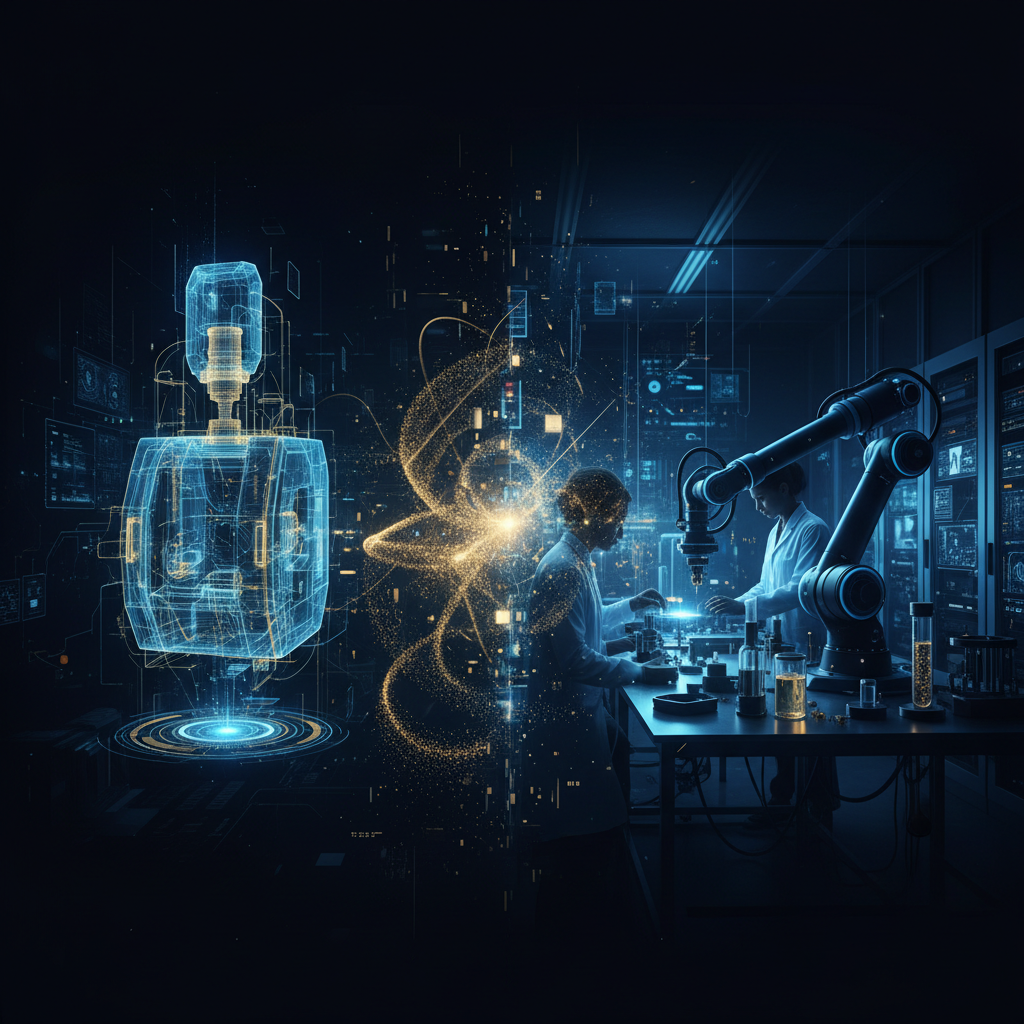
Zero-X Labs builds simulation-to-reality pipelines. Digital twins model the physics. Robotics and sensors validate against the physical world. Feedback loops close the gap between simulation and reality — and keep closing it with every cycle.
Simulate. Validate. Iterate.
Every scientific concept starts as a simulation model. Digital twins represent the physical system in software — thermodynamics, fluid dynamics, structural mechanics, biological processes. Sensors stream real-world data back into the model. Robotics execute the validation experiments autonomously.
Each cycle makes the model more accurate. Each cycle generates data for the next iteration.
Physics-Based Replicas
Physics-based digital replicas of industrial and biological systems. Built from first principles, calibrated against sensor data, updated continuously. The digital twin runs experiments the physical system cannot afford — parameter sweeps, failure modes, edge cases — and returns validated operating windows.

Autonomous Execution
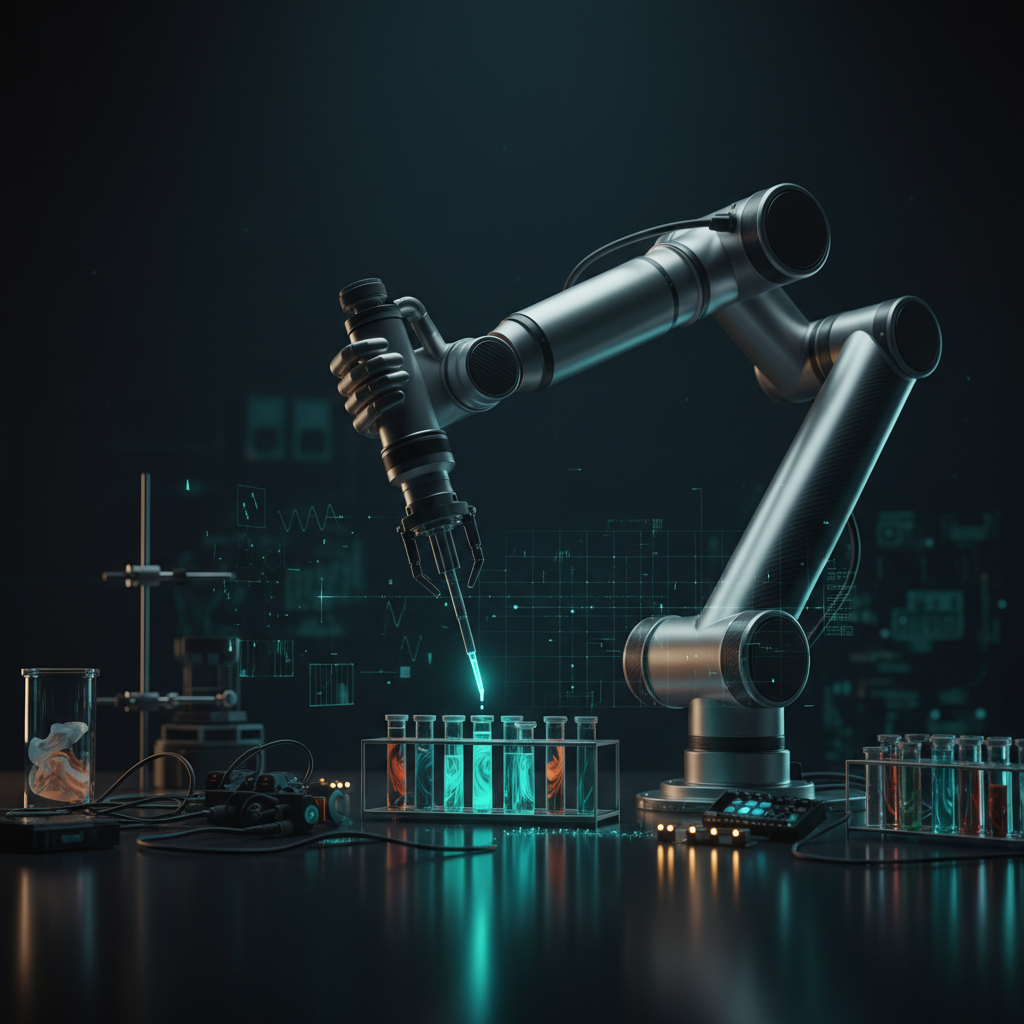
Autonomous laboratory systems execute the experiments the digital twin prescribes. Computer vision detects outcomes. Sensors measure every variable. The robot adjusts its next action based on what it sees — a closed loop that runs without human intervention, 24 hours a day.
The Loop Learns
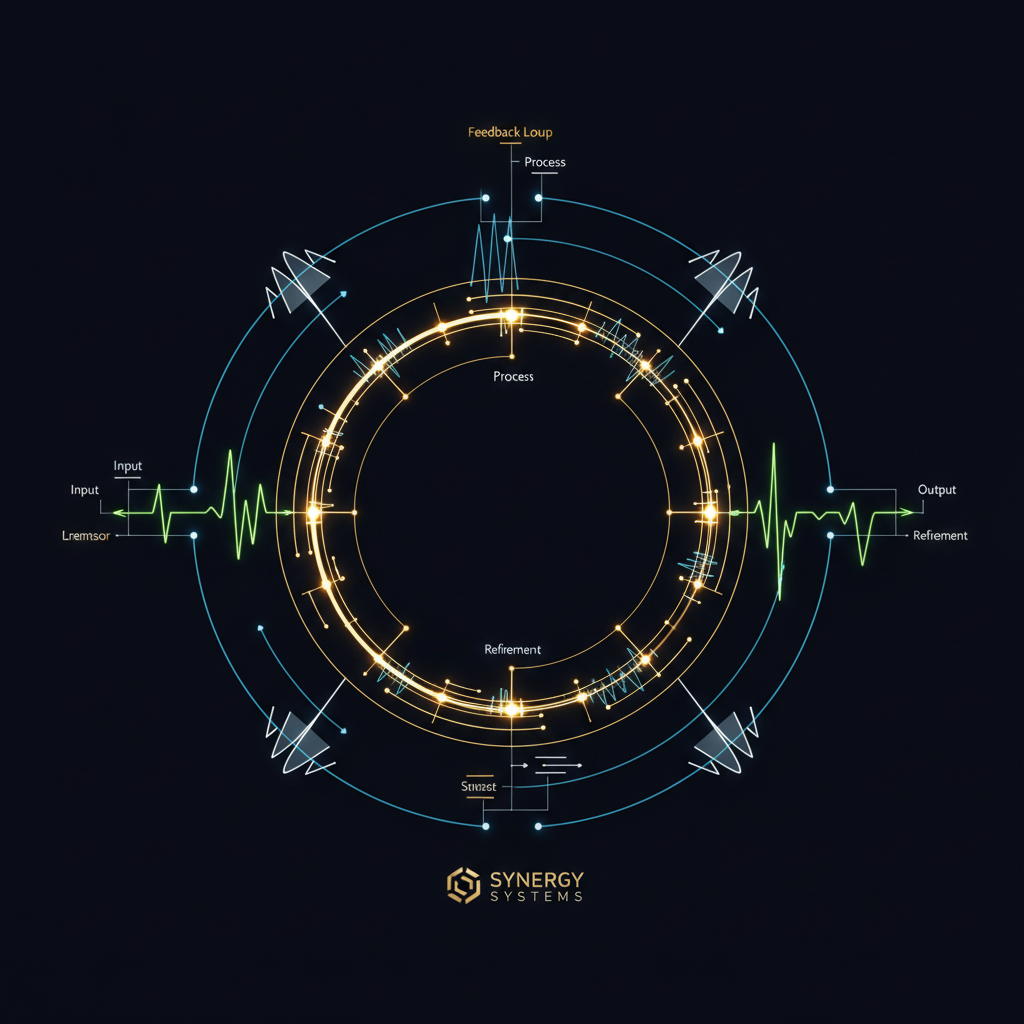
The loop is not one-directional. Results from the physical robot feed back into the digital twin. The model learns. The next simulation run starts from a more accurate baseline. With every cycle, the gap between simulation and reality shrinks.
The cycle is too slow. Until now.
Traditional R&D moves from idea to prototype to test to redesign. Each cycle takes months. The loop is slow, expensive, and human-limited.
Simulation-driven R&D compresses that cycle. The digital twin tests thousands of variants before a single physical component is built. The robotics system runs validation experiments in parallel, overnight, without supervision. The feedback loop ensures that what the model predicts is what the hardware delivers.
More ideas tested per euro.
Currently in design phase at Zero-X Labs Brandenburg facilities. Core methodology validated on internal process engineering projects. Full system deployment scheduled for 2027.
Discuss your R&D challenge.
If your process is too slow, too expensive, or too dangerous to iterate in the physical world — simulation-driven R&D may be the answer.
Get in Touch →